A boat that is no longer used can often be sold through a buyer that assesses it and arranges collection. Cash for boats services may save you time and help clear valuable storage space.
The offer and service terms depend on the boat, its condition and your location. An initial estimate is not always the final cash offer, and collection may have separate terms.
A digital valuation is an initial estimate based on details and photos you supply before the boat is collected. This page explains what buyers may need, how offers and collection work, and what to check before accepting.
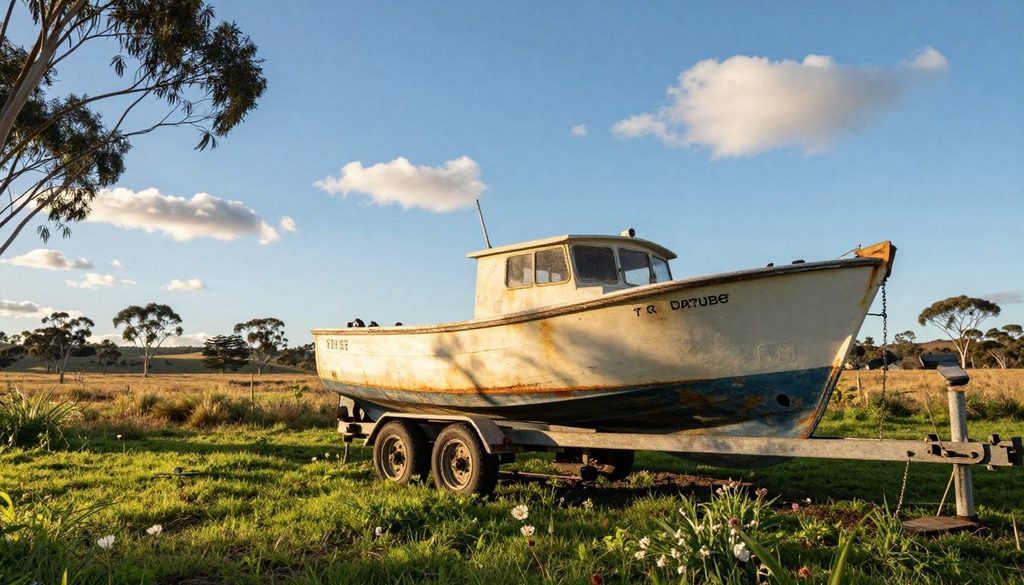
Use the guidance to compare a cash offer with other ways to sell, then start by looking at how the process works.
Key Takeaways
- A digital valuation is an estimate, not a final cash offer.
- Buyers set their own rules for boat types and conditions.
- Confirm payment, collection and any charges in writing.
- Service coverage depends on your boat’s exact location.
- Share honest details and clear photos for a useful estimate.
Cash for Boats: How Does the Sale Process Work?
The sale usually starts with a few details about the boat, followed by an offer for the owner to consider. Most sales begin remotely, using information and photos you submit for a digital valuation.
Check the agreed payment terms and sale steps before booking collection. Some boat-buying services pay at collection after the sale agreement is finalised, but arrangements differ.
Confirm the payment terms and sale steps before you book collection.
A cash for boats Australia service may manage the first contact online or by phone. The usual process has three stages:
- Send the boat’s details and clear photos for an initial assessment.
- Review the cash offer, ask questions, then accept or decline it.
- Complete the agreed paperwork and arrange collection and payment.
The digital valuation uses the details you provide, so missing or unclear information can affect the estimate. A buyer may change its cash offer if an inspection or collection reveals details that differ from your description.
Ask whether the buyer will inspect the boat before confirming the amount. If the final cash offer differs from the estimate, you can decide whether the revised terms still suit you.
Some buyers pay once collection and the sale agreement are complete. Others may set a different order, so confirm the payment timing and method before setting a collection date.
You can ask questions before accepting an offer, and you do not need to proceed until the terms are clear. The next question is which boats and conditions a buyer may consider.
What Kinds of Boats Can a Buyer Take?
A boat does not have to be ready for the water to be considered by a salvage-focused buyer. Some buyers consider vessels that need repair, contain reusable parts or have reached the end of their working life.
Acceptance depends on each buyer’s rules, the boat’s condition and safe removal. Common types boats owners may ask about include tinnies, fishing boats, yachts, sailboats, jet skis, speedboats and project boats.
Searches for “types boats” often cover more than powered craft. A buyer may also consider a vessel that has sat unused in storage, provided its team can assess and remove it.
Situations that may be considered include:
- An old or unused boat taking up space.
- A damaged or broken vessel that needs repair.
- A scrap boat with parts or materials that may be recovered.
- A vessel that is no longer seaworthy or cannot run.
“All conditions” does not mean that every boat will be accepted. A buyer may decline a vessel if its state, access or removal risks fall outside the service’s limits.
Boats condition can vary from sound and usable to badly damaged. Be clear about the vessel’s state, since a buyer may need to decide whether it can assess, tow or handle it safely.
A project boat may still have useful components, while a similar vessel may have little that can be reused. A buyer’s own rules determine which types it can take.
The type and state of the vessel affect whether a buyer can take it. Those same details also help shape its estimated value.
What Determines a Boat’s Cash Value?
A working boat with complete equipment may be assessed differently from a similar-sized vessel with major damage or missing components. Small differences matter, so two boats that look alike can receive different offers.
There is no fixed price formula that applies to every boat. A buyer considers the whole vessel, its parts and the work needed to recover anything useful.
How make, model, age and size affect an offer
Make and model help a buyer identify the boat and its likely parts. Age can affect wear, while size may change how much space and effort removal needs.
Operational status is also important. A boat that starts, runs and moves under its own power differs from one with a failed motor or damaged steering.
Condition, equipment and salvageable materials
Visible damage can point to repairs or parts that cannot be reused. Buyers may also consider whether equipment and accessories are included, such as a working motor, electronics or safety gear.
The boat’s material and the state of its components can affect what a buyer can recover. The table shows common contrasts, not guaranteed prices.
| Assessment factor | Higher-value indication | Lower-value indication | Why it matters |
| Condition | Minor wear, sound hull | Major damage, heavy rot | Damage can limit repair or reuse |
| Operational status | Motor starts and runs | Motor seized or missing | Working parts may be more useful |
| Equipment | Included working gear | Missing or broken gear | Usable items may add value |
| Size/material | Reusable parts and materials | Heavily deteriorated structure | Recovery options differ by boat |
These assessment points are not a guaranteed formula or a fixed price list. A buyer may weigh the same feature differently depending on the boat and its condition.
You can improve the accuracy of an estimate by giving complete details and clear photos. With that information ready, you can compare a direct cash sale with other ways to sell.
Is a Private Sale, Dealer or Cash Buyer Better?
The best route depends on whether you value control over the sale price or a more managed process. Your time and effort count alongside the amount you hope to receive.
A private sale gives you control, while a dealer or cash buyer may manage more of the process. Collection depends on the arrangement you make, not just the selling route.
Private selling involves creating a listing, answering questions and dealing with prospective buyers. A dealer may buy boats directly or sell them on consignment, where it handles the listing for an agreed arrangement.
| Selling route | Best suited to | Owner’s work | Collection |
| Private sale | Owners seeking price control | Listing, enquiries, viewings | Buyer and owner agree |
| Dealer or consignment | Owners wanting sales support | Agree terms, provide details | Depends on the deal |
| Cash buyer | Owners seeking a direct offer | Share details, review terms | May be arranged by buyer |
There is no single route that suits every owner. A private buyer may pay more, but the sale can take time and may involve several enquiries before a firm agreement.
What is the best way to sell a boat online? A well-documented listing can suit you if you are willing to manage enquiries and arrange viewings.
A buyer that provides a direct offer may suit you if a simpler sale matters more than managing a listing. Compare the written terms, since services and collection options vary.
Dealers and cash buyers may offer a more managed process, but the actual work and collection plan depend on the agreement. Gather accurate boat information before comparing offers or making a listing.
What Details Should You Send for a Quote?
A quote is more useful when the buyer can see both the boat’s identity and its present condition. Clear, honest details help the buyer make a better remote estimate.
Send enough information to identify the boat and show what state it is in. A free quote can be requested without committing you to accept an offer.
Boat identification and condition details
Start with the boat’s make and model, then add its approximate age and size. Give its current location and describe whether it runs, starts or can move.
Include known damage, even if it seems minor. A cracked windscreen, missing motor or damaged hull can change what a buyer can offer or remove.
Useful details to submit include:
- Make and model.
- Approximate age and size.
- Current location.
- Operational status and known damage.
- Included equipment and clear interior and exterior photos from several angles.
Photos that make an estimate more accurate
Take clear photos in good light, with the boat visible from several angles. Include the hull, deck, interior, motor and any damage that may not show from the outside.
Detailed photos help a buyer assess the boat remotely. Do not hide wear or damage, since an in-person check may change an estimate that relied on incomplete pictures.
Show included equipment in the photos, and mention items that are stored separately. This helps the buyer understand what comes with the boat rather than assuming every visible item is included.
A form may ask for the same information in separate fields. Read each question carefully, and answer accurately rather than leaving a known fault unmentioned.
A free quote does not mean you have agreed to sell. The buyer can assess the information and return an offer for you to consider, then you can check its payment terms.
How and When Is Payment Made?
Before accepting an offer, make sure you know exactly when the agreed payment will reach you. The final amount matters, but the method and timing matter too.
Confirm the amount, payment method, timing and any costs or conditions in writing. A digital valuation is an initial estimate, not necessarily the final cash offer.
Once you accept the final cash offer, the agreed amount should appear in the sale terms. Check whether it can change after an inspection or if the boat differs from your description.
Payment methods and timing vary between buyers. Some pay at collection after the sale agreement is complete, while others set different terms.
Osko is one account-to-account payment method that can support fast transfers. Not every buyer uses it, and a fast transfer label does not explain when payment will arrive.
“Instant cash” wording is not a substitute for clear terms. Ask what event triggers payment, such as signing the agreement, handing over the boat or completing collection.
Also check whether a stated amount is the full amount payable to you. The written terms should name any costs or conditions that could affect the cash offer.
Do not rely only on a verbal promise about a fair cash payment. Keep the agreed amount and timing in writing, and wait until you understand both before accepting.
Once payment terms are clear, the next practical question is how the boat will be removed.
How Does Boat Removal and Towing Work?
Collection is easiest to arrange when the buyer knows where the boat is and what access the towing team will have. Site details matter at a home, marina or storage yard.
Confirm what boat removal includes, since free removal is not automatic with every offer. The terms may depend on the location, access and towing needs.
Collection from a home, marina or storage yard
A buyer may arrange collection from a residence, marina or storage yard. Tell the buyer where the boat sits and whether it is on a trailer, afloat or stored on blocks.
For a marina collection, check whether the marina needs notice or permission. A boat afloat may need launch or retrieval access, while a stored boat may need yard staff to open gates.
Access, size and towing arrangements
Explain any narrow driveway, low branches, locked gate or restricted site hours. Confirm whether a trailer is available and whether the towing equipment can reach the boat.
The table highlights details to share and arrangements to confirm before pickup.
| Collection location | Access detail to share | Arrangement to confirm |
| Driveway or residence | Gate width and turning room | Truck access and trailer use |
| Marina | Berth, launch and site rules | Permission and retrieval plan |
| Storage yard | Gate access and site hours | Keys, staff access and trailer |
| Restricted-access site | Road limits and obstacles | Reach of towing equipment |
One service has reported a 10-tonne purchase and towing limit. A heavier boat may need extra coordination, and another buyer may set a different limit.
Confirm whether the quoted amount includes towing, loading and any site charges. If the boat cannot roll or float, tell the buyer so the team can plan suitable equipment.
Agree a collection window and make sure someone can provide keys or gate access. Confirm the access needs and collection time before preparing the boat for pickup.
Which Australian Areas Are Covered for Boat Collection?
A service listing a major city does not automatically confirm collection from every surrounding town. Coverage varies by provider, and your boat’s exact suburb or regional location matters.
Confirm the address and regional travel terms before accepting an offer. “Cash for boats near me” depends on where the boat is, not simply the nearest capital city.
Advertised Australian locations include Adelaide, Brisbane, Canberra, Darwin, Hobart, Melbourne, Perth and Sydney. Other stated service areas include Queensland, New South Wales and Victoria.
The table lists some city locations and the local check to make.
| State or territory | Capital city listed | Coverage check |
| South Australia | Adelaide | Ask about regional travel |
| Queensland | Brisbane | Confirm suburb and towing |
| ACT | Canberra | Confirm the exact address |
| Tasmania | Hobart | Ask about regional access |
| Victoria | Melbourne | Check cash for boats Victoria coverage |
Brisbane, Sydney, the Sunshine Coast, the Gold Coast and Melbourne have also been named as service areas. Those names do not confirm every nearby suburb or regional town.
If you search for cash for boats Melbourne, check whether the buyer covers your actual storage or marina address. Ask the same question about cash for boats Victoria if your boat sits outside Melbourne.
A buyer may cover one side of a region but not another. Towing distance and site access can affect whether collection is available on the terms you expect.
Confirm the exact collection address and any regional travel conditions before accepting an offer.
What Paperwork Do You Need to Sell a Boat?
Have your identification and ownership records ready before the collection date is set. Requirements differ, but some boat-buying services ask for photo ID, ownership records and a signed digital contract of sale.
Ask what documents the buyer needs and keep a copy of the signed agreement. Registration records can help show the boat’s history, but each sale has its own requirements.
Identification and ownership information
Some services request valid photo identification to confirm who is selling the boat. They may also ask for ownership or registration documents that you have available.
Gather these three items:
- Valid photo ID.
- Available ownership or registration records.
- The sale agreement supplied by the buyer.
Sale documents and registration follow-up
Read the contract of sale before signing, and make sure it reflects the agreed sale. Some buyers use a digital contract, which you can sign electronically.
After the sale, registration refund eligibility depends on the state or territory authority. Contact the relevant authority to ask whether a contract of sale is enough to support an application.
A refund is not automatic. The authority’s rules and the records you can provide determine whether you qualify.
Keep the signed sale agreement and any messages confirming the terms. These records can help if you need to show when ownership changed or ask about registration.
Once you understand the documents, check whether the proposed payment method fits your needs.
What Should Brisbane Owners Check Before Collection?
For a Brisbane collection, the suburb and exact storage location matter as much as the boat’s condition. Local access can change the plan, even when the buyer serves the wider area.
Confirm the local pickup address, permissions and agreed terms before booking. Ask whether cash for boats Brisbane service includes your suburb and the place where the boat is stored.
Use this checklist to keep the local arrangements clear:
- Write down the exact pickup address and suburb.
- Say whether the boat is at a residence, marina or storage site.
- Confirm access details and any site permissions.
- Check the agreed payment and removal terms.
A boat taking up valuable storage space may be a good reason to consider managed removal. The space may be useful for another vehicle or project once the vessel is gone.
Still compare the cash offer with other options. Confirm there are no collection charges that would reduce the amount you receive or change the sale terms.
Make sure the marina or storage site knows about the planned visit if it controls access. A buyer may need a named contact or gate permission before the team arrives.
Local logistics can shape whether a sale is practical. The boat’s damage can also affect whether a buyer is able to accept it.
Can You Sell a Damaged, Flooded or Sunken Boat?
A damaged boat may still attract an offer, but flooding and sinking can change what a buyer is able to accept. Safety can limit salvage, even when some parts appear reusable.
Some services exclude sunken boats or decline heavily flooded vessels. Flooded electronic components can pose an electrocution hazard during salvage.
Some buyers consider old, damaged, wrecked or scrap boats. Acceptance is not universal, and the buyer may assess safety, condition and salvage limits before making an offer.
A boat that has taken on water may have hidden electrical damage. A vessel that sank can also be hard to access, lift or handle safely.
At least one boat-buying service excludes sunken boats. Heavy flood damage may also affect acceptance, even if the boat remains above water.
Tell the buyer about any flood history, sinking or electrical damage before arranging towing. Do not let the team discover a known hazard only after it arrives.
Ask what handling or disposal options may be appropriate if the buyer cannot accept the boat. The right choice depends on the boat’s state and the safety risks at its location.
Acceptance limits lead to another practical question: what responsible salvage may involve after a boat is collected.
What Happens to a Boat After Salvage?
A boat collected for salvage may be assessed for components and materials that can still be recovered. Useful parts may remain, even when the boat itself has reached the end of its working life.
What happens next depends on the boat’s materials, condition and local handling arrangements. Reusable components may be removed, while damaged parts may need disposal or recycling.
A boat removal service may recover working parts such as fittings, hardware or other usable components. Some damaged parts may be repurposed rather than sent straight to scrap.
Materials differ across boats, and a buyer may handle timber, metal, fibreglass and electronics in different ways. Damage can limit what is safe or practical to recover.
An end-of-life boat may have little that can be reused. Its remaining parts may need an appropriate disposal or recycling route, based on the materials and local options.
If environmental responsibility is a priority, ask how the buyer handles salvage and disposal. You can ask whether reusable components are recovered and how damaged parts are dealt with.
Do not assume every boat follows the same path after collection. The route depends on what can be safely removed and what local handlers can accept.
Clear answers about salvage can help you compare buyers. Next, look at whether a buyer explains its offer and service terms plainly.
How Do You Choose a Trustworthy Boat Removal Service?
A dependable buyer should be able to explain the offer, paperwork, payment and collection arrangements plainly. Clear written terms make it easier to spot costs or conditions that could change the deal.
Pause if removal charges or payment conditions remain unclear. Experience claims may help you compare providers, but they do not replace a clear agreement.
Do not accept unclear collection charges or payment conditions. Get the agreed terms in writing first.
Before accepting a cash offer, use this five-point check:
- Confirm the buyer’s legal identity and relevant credentials.
- Get the cash offer and any conditions in writing.
- Check whether boat removal and towing are included.
- Agree on the payment method and timing.
- Confirm the collection plan and required documents.
Ask who will handle the sale and who will arrange collection. A team’s claimed experience does not tell you whether the written offer includes towing or covers your location.
Read the terms for charges that may apply if access is difficult or the boat differs from its description. A fair cash amount should be clear about what you must do and what the buyer will do.
Keep copies of the offer and the sale agreement. If the buyer changes a term, pause and decide whether the new arrangement still suits you.
Compare the written offer and confirmed removal terms before accepting.
Conclusion
A clear written offer and a confirmed collection plan are the two essentials to settle before selling. A cash sale can simplify disposal when you understand its terms and the basis for its valuation.
Check the payment timing, any costs and the collection conditions before you agree. A strong offer is only useful if the final arrangements work for your boat and location.
Gather the boat’s details and clear photos, then request a no-obligation quote and compare its terms before accepting.
FAQ
What is the best way to sell a boat online?
A detailed listing suits you if you can manage enquiries, viewings and buyer questions. Include clear photos, accurate details and any known faults so buyers can judge the boat fairly. A direct cash buyer may simplify the sale, especially if collection is arranged. Compare the written offer with other options, and confirm payment timing, collection terms and any charges before accepting.
What’s the best way to get rid of a boat?
A cash buyer or salvage service may suit you if you want a direct sale, while a private listing gives you more control. The right route depends on your time, the boat’s state and the work you can manage. Disclose any sinking or flood damage before making arrangements. Some buyers cannot safely accept those boats, so ask about suitable handling or disposal options.
How much cash can I get for an unwanted boat?
There is no fixed amount for an unwanted boat. Make, model, age and size can affect its value, along with condition and whether it runs. Included equipment and salvageable materials may also shape the offer. Give the buyer clear, honest details and photos to support an estimate. Treat the initial digital valuation as an estimate until you agree on the final cash offer.
Can I sell a boat without a trailer?
Yes, you may be able to sell a boat without a trailer, but transport terms vary between buyers. Ask whether the buyer can arrange towing and what access the collection team needs. Tell them if the boat is afloat, on blocks or unable to move. A trailer is not a universal requirement, though a difficult site or boat size may affect the collection plan.
Do cash-for-boats buyers collect from a marina?
Some cash-for-boats buyers arrange marina collection, but the marina and towing details need agreement. Ask whether the site requires permission, notice or a staff member to provide access. Confirm how the boat will be retrieved, especially if it is afloat or lacks a trailer. Check whether the buyer includes marina-related charges in the written offer before accepting.
Is free boat removal always included with a cash offer?
No, free boat removal is not always included with a cash offer. Some buyers include collection, while others may set charges or limits based on location and access. Ask the buyer to state in writing whether removal and towing are included. Check for added costs if the site is restricted or the boat needs special equipment, so the amount payable remains clear.
Can I sell a boat without registration papers?
Yes, a sale may still be possible without registration papers, but each buyer sets its own document requirements. Provide any ownership or registration records you do have, along with valid photo ID. Ask what documents the buyer needs before agreeing to the sale. You may also need to contact your state or territory authority about registration changes or any refund eligibility.